
Fleet Charger for Fleet
Fleet Charging Solutions for Business and Operations
Fleet charging solutions are designed to support businesses operating electric vehicle fleets. These systems enable reliable, scheduled, and scalable charging for company owned vehicles used in daily operations. Fleet EV charging focuses on uptime, efficiency, and operational control rather than public access or revenue generation.
Fleet charging infrastructure is suitable for logistics companies, service fleets, corporate vehicles, delivery operations, and institutional transport fleets.

Installing EV Charger at Home
Centralized Charging for Business Vehicle Fleets
Fleet charging solutions involve deploying dedicated EV charging infrastructure for company operated vehicles. These systems are installed at locations such as depots, warehouses, office parking areas, or controlled fleet facilities.
The infrastructure is designed to support multiple vehicles charging each day, typically during planned windows like overnight parking or between scheduled operating shifts, ensuring vehicles are ready for daily use.
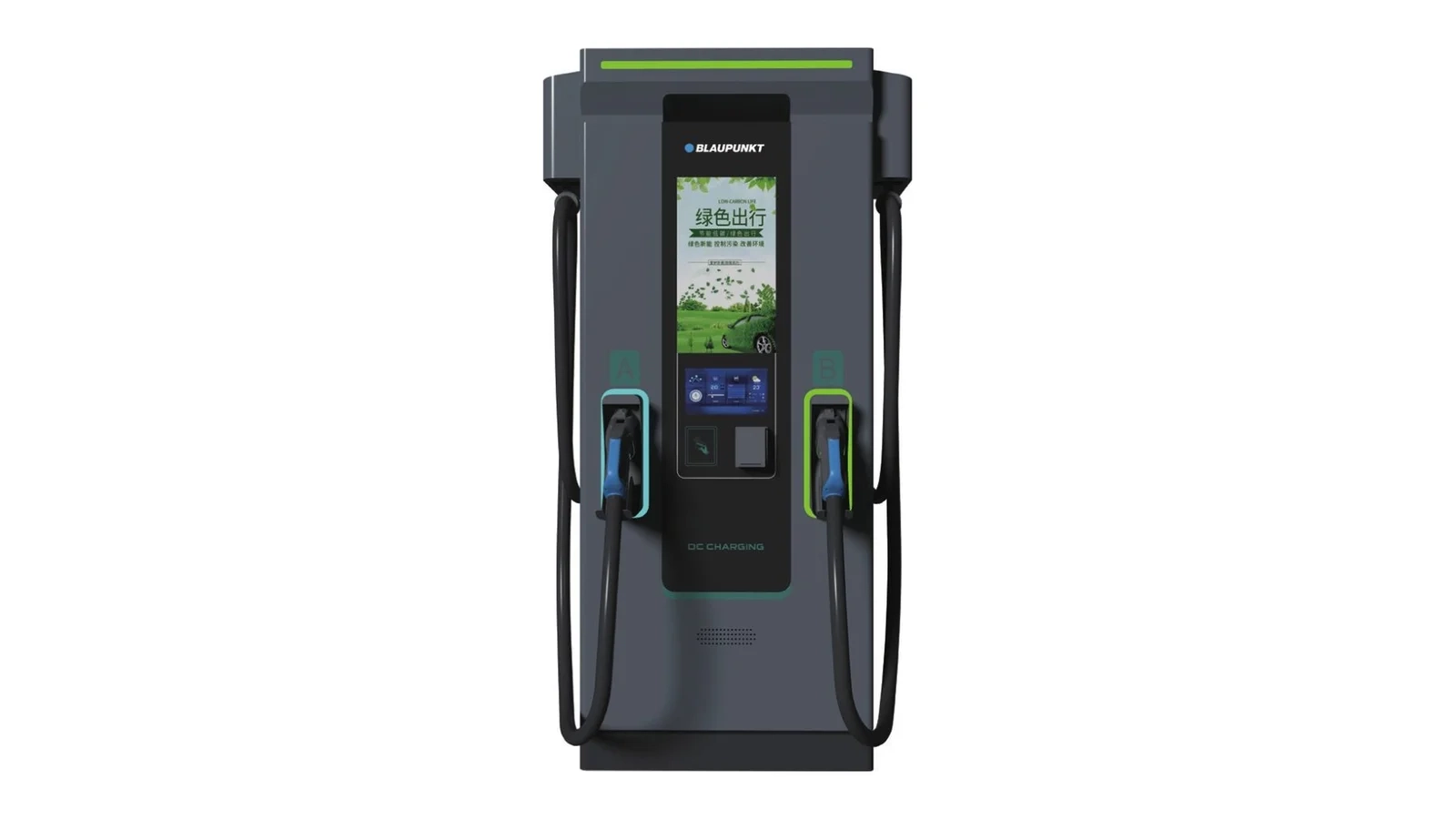
Blaupunkt Fleet Charging Solutions
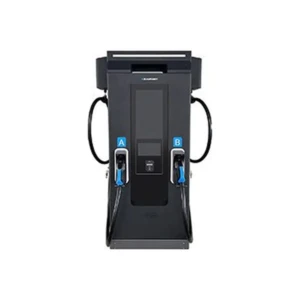
Why Fleet Charging Is Different from Commercial Charging
Fleet charging is optimized for
- Scheduled charging cycles
- Predictable vehicle usage
- High utilization rates
- Operational efficiency
- Centralized management
Unlike public or workplace charging, fleet charging prioritizes vehicle readiness, reduced downtime, and electrical load planning.
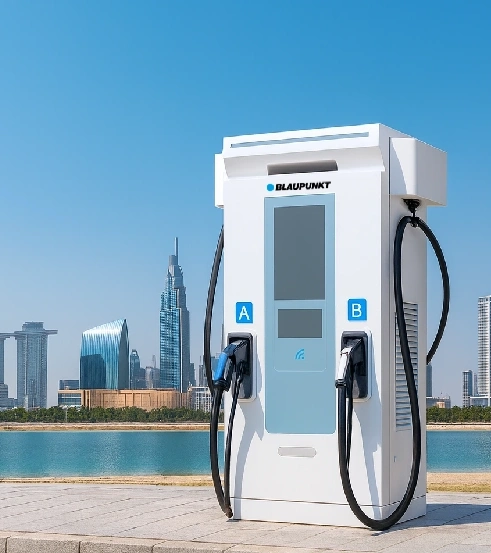
Types of Fleet EV Chargers
AC fleet chargers
AC chargers are suitable for fleets with longer parking durations. Vehicles can charge overnight or between shifts. Common power options include 7 kW, 11 kW, and 22 kW.
DC fleet chargers
DC chargers are used when faster turnaround is required. These are suitable for fleets with high daily mileage or limited downtime between routes.
Blaupunkt Fleet EV Faq's
Fleet charging infrastructure planning depends on fleet size, daily driving range, parking duration, available electrical capacity, and future expansion needs. Proper planning ensures reliable charging without stressing the power supply.
Load management balances power across multiple chargers when vehicles charge at the same time. This prevents peak overload, improves stability, and avoids expensive electrical upgrades.
Fleet charging installation includes fleet usage assessment, site and electrical evaluation, charger selection, layout planning, installation, safety compliance checks, testing, and system handover.
Yes. Fleet charging systems are designed for daily and continuous operational use, supporting regular charging cycles aligned with business schedules and shift based operations.
Fleet charging systems support access control for authorized vehicles, scheduled charging based on operations, real time charger status monitoring, and centralized control of multiple charging points.